


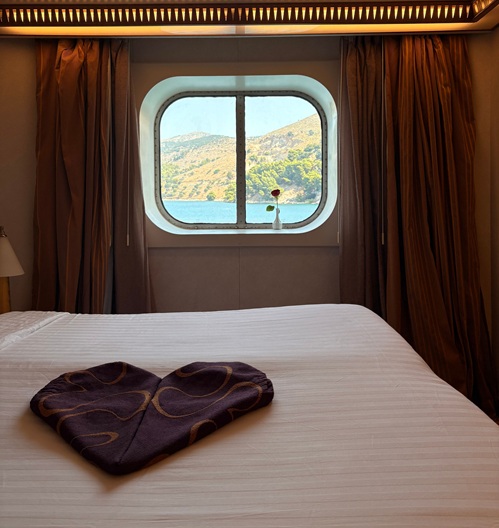
A boat cabin is much more than just a sheltered retreat on the water. High-quality wood paneling, elegant furniture finishes, and comfortable upholstery lend the interior a special atmosphere and contribute significantly to the sense of well-being on board. To ensure these materials remain beautiful and functional over time, the right microclimate below deck plays a crucial role. In particular, temperature fluctuations and inappropriate humidity levels can cause damage over time. Analog thermometers and hygrometers allow you to reliably monitor and specifically optimize the climate in the cabin.
Why the Microclimate Below Deck Is So Important
Unlike living spaces on land, boat cabins are often exposed to harsh environmental conditions. Sunlight, temperature fluctuations between day and night, and high humidity near the water significantly affect the indoor climate. Moisture can accumulate quickly, especially in enclosed cabins.
Excessive humidity creates ideal conditions for mold, which not only damages upholstery, curtains, and wooden surfaces but can also cause unpleasant odors. At the same time, excessive moisture can penetrate wood and, over time, lead to warping, swelling, or staining.
However, air that is too dry also poses risks. Wood can dry out, shrink, and develop fine cracks. Striking the right balance between temperature and humidity is therefore crucial for protecting your valuable furnishings over the long term.
Optimal Conditions for Wood and Upholstery
For most boat cabins, a relative humidity between 45% and 60% is recommended. Within this range, wood surfaces remain stable while the risk of mold growth is reduced.
The temperature should be kept as constant as possible. Temperatures between 15 °C and 25 °C are generally considered acceptable for most materials. However, it is particularly important to avoid extreme fluctuations. Constant shifts between warm and cold conditions put more strain on wood and upholstery than a consistent temperature.
Regular measurements allow critical changes to be detected early, before visible damage occurs.
Analog Gauges for Climate Control

Ship's Cabin: Analog gauges are particularly well-suited for monitoring the microclimate. They do not require batteries, are ready for use at any time, and blend in perfectly with classic or maritime interiors.
An analog thermometer makes it easy to monitor the cabin temperature. Models with a clearly legible scale provide the most important information about the current conditions below deck at a glance.
An analog hygrometer is just as important. It measures relative humidity and indicates whether the readings are within the recommended range. Many hygrometers use proven mechanical measuring systems and respond reliably to changes in the indoor climate.
Combined thermo-hygrometers are particularly practical. They combine both functions in a single device and allow you to monitor temperature and humidity simultaneously.
Proper Placement of Measuring Instruments
The accuracy of the measurements depends largely on the installation location. Thermometers and hygrometers should be mounted in a representative location within the cabin whenever possible.
Direct sunlight should be avoided, as it can distort temperature readings. Placing them in the immediate vicinity of windows, hatches, heaters, or ventilation openings is also unsuitable. Local temperature variations often occur in these areas, which do not reflect the actual indoor climate.
The optimal position is on an interior wall at a height of approximately 1 to 1.5 meters. This allows the devices to measure the average conditions inside the cabin and provide reliable readings.
Practical Measures to Prevent Mold and Wood Warping
If consistently high humidity levels are detected, the first step should be to ensure better ventilation. Regular ventilation promotes air exchange and reduces excess moisture. Thoroughly ventilating the cabin is especially recommended after rainy days or extended stays on board.
In addition, damp textiles, wet clothing, or equipment can be dried outside the cabin to reduce moisture levels.
During extended periods at dock, cabinet doors, storage compartments, and benches should be opened occasionally. This allows air to circulate more freely and prevents moisture from accumulating in hard-to-reach areas.
If, on the other hand, very low humidity levels are consistently measured, a controlled increase in humidity can help protect sensitive wooden surfaces from drying out.
Order Analog Measuring Devices from BARIGO
A stable microclimate is one of the most important factors in maintaining the value of a boat cabin. High-quality woods and upholstery, in particular, are sensitive to humidity levels that are too high or too low. Analog thermometers and hygrometers allow you to monitor temperature and humidity easily and reliably. By placing the measuring instruments correctly and regularly checking the readings, you can prevent mold growth, unpleasant odors, and warping of the wood before they become a problem. This helps preserve your furnishings, comfort, and maritime ambiance for many years to come.
At BARIGO, you’ll find a comprehensive selection of precise analog and marine measuring instruments. In addition to hygrometers, we also offer barometers, clocks, weather stations, and more. Please feel free to contact us if you have any questions about our products!